

Surgical Simulation Models



Why BonyModels®?
At BonyModels®, we focus on the technical depth of orthopedic surgery and the precision of patient communication. Our models address two fundamental needs:
For surgical training, we offer models that enable physicians to develop their manual skills in a safe and realistic simulation environment.
To enrich patient-physician communication, we develop visual materials that concretize complex pathologies and treatment processes for patients, strengthening the bond of trust between surgeon and patient.
Real data and anatomical fidelity
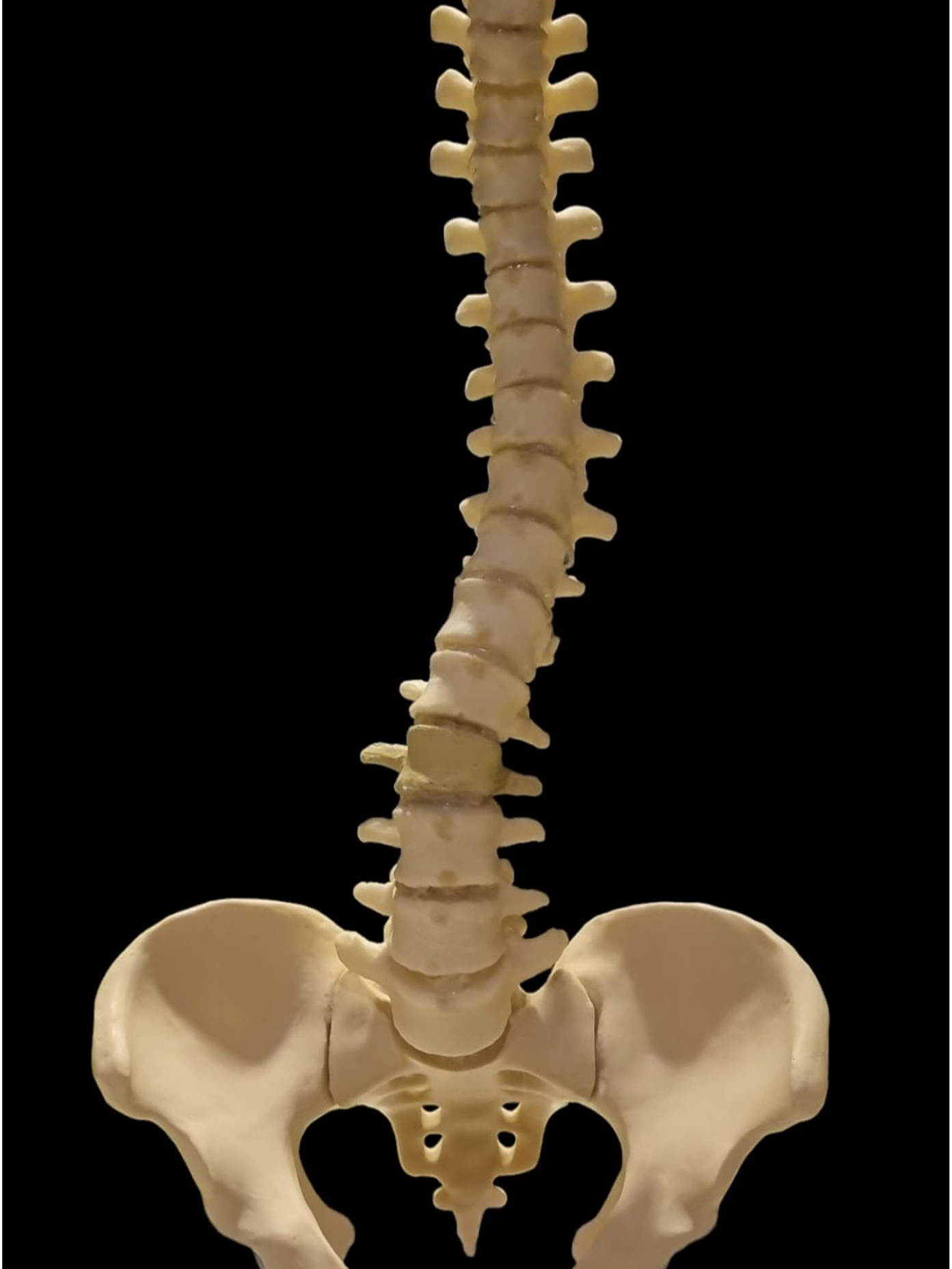
Our models are based on the most widely accepted classifications in the literature, rather than standard templates. This allows experienced surgeons and residents to directly experience not only the “ideal” bone structure but also the variations, degenerative processes, and complex deformities (Varus/Valgus knee, dysplastic hip, etc.) they will encounter in clinical practice.
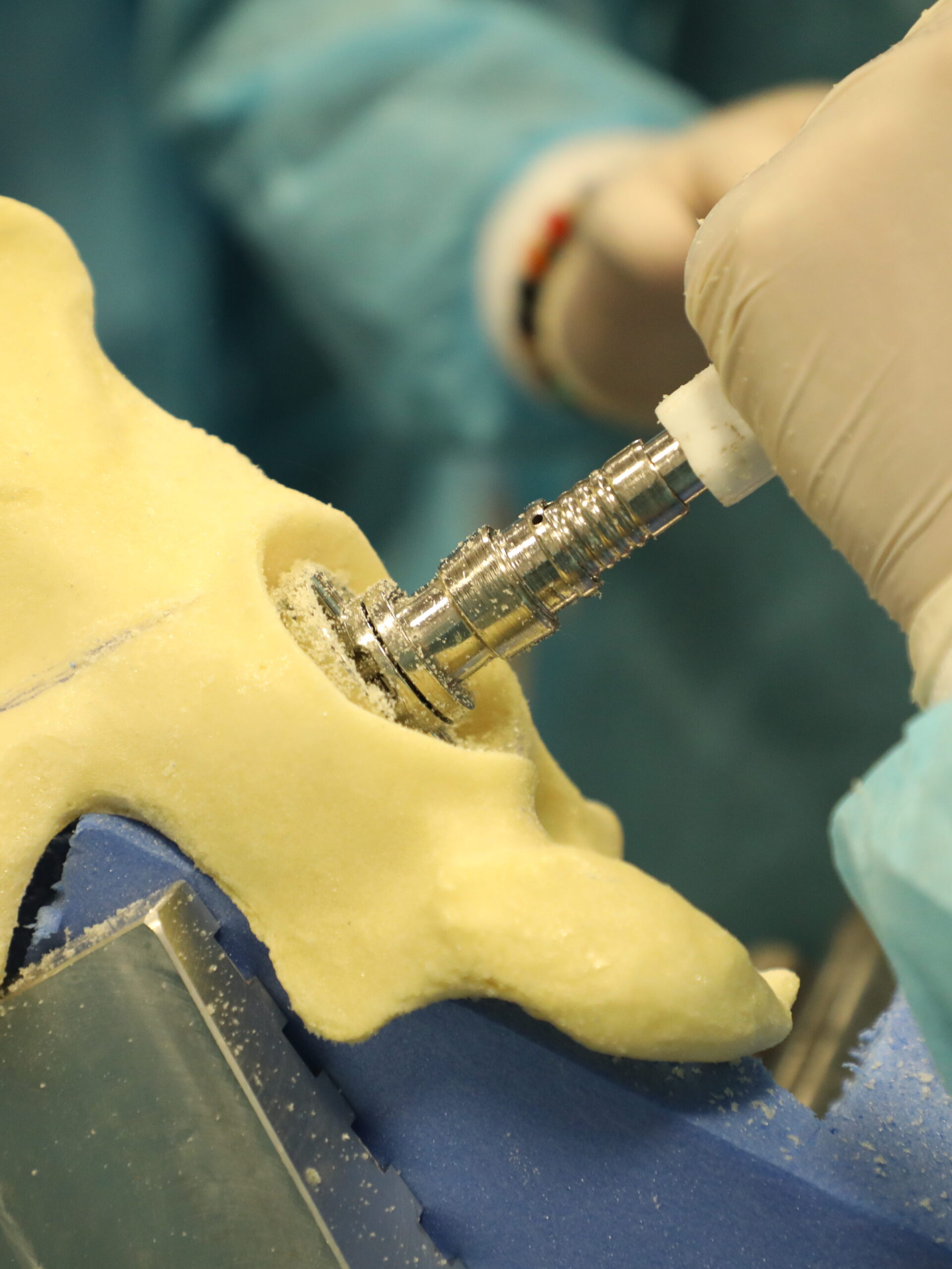
Material engineering suitable for surgical simulation
BonyModels® are designed not just for display, but for hands-on work. Our bone models provide tactile feedback close to the mechanical resistance of bone during surgical procedures such as cutting, drilling, and implant placement. This is critical for the development of “muscle memory” in surgical training.
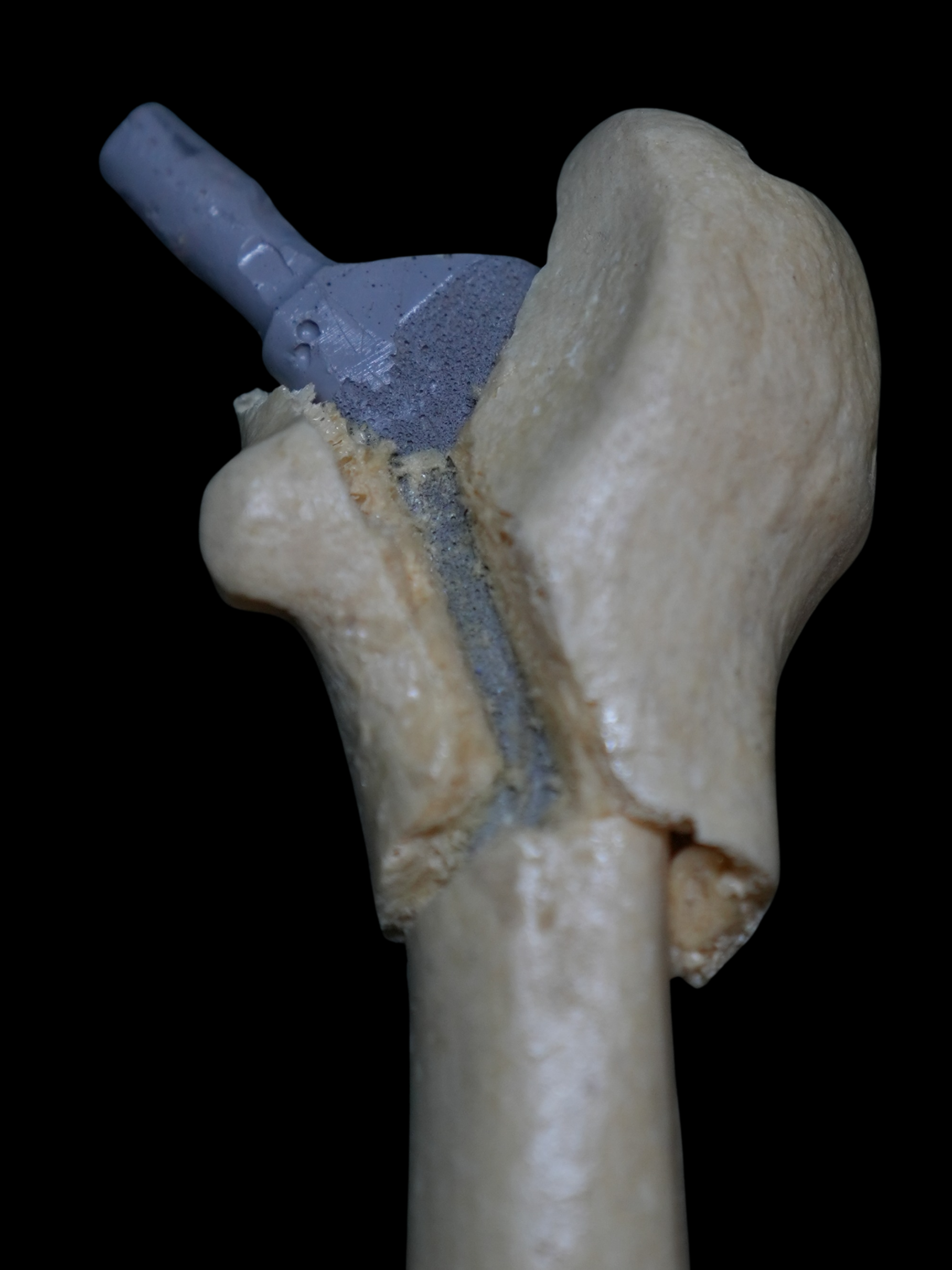
Pathology and solution-oriented portfolio
“Normal anatomy” is the foundation of every training, but expertise begins with managing “pathological anatomy.” From scoliosis to hip dysplasia, from rotator cuff tears to comminuted fractures, we support case-based learning with various modeling options.
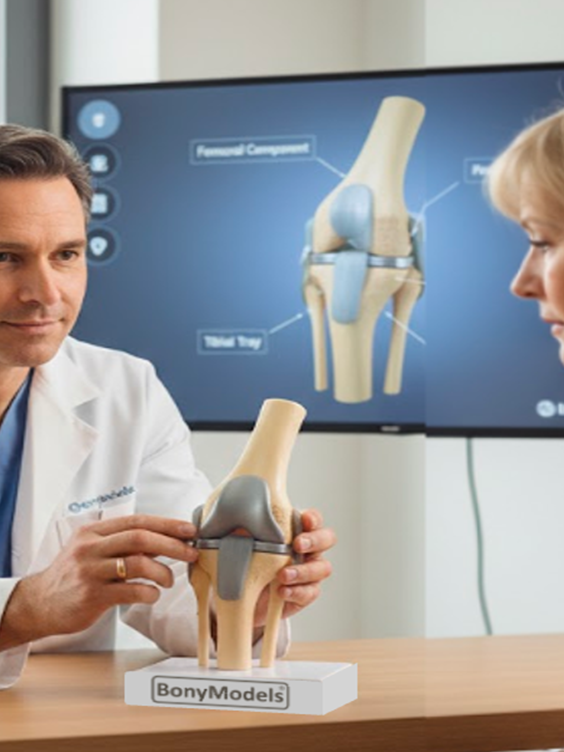
Visual evidence in patient communication
Explaining complex surgical procedures (TDP, TKP, prosthesis revisions) to patients directly impacts treatment adherence. Our models help patients visualize the operation they will undergo, strengthening the bond of trust between surgeon and patient.
